
Scenarios
Aspirational Pathways to Achieve Ambitious Goals
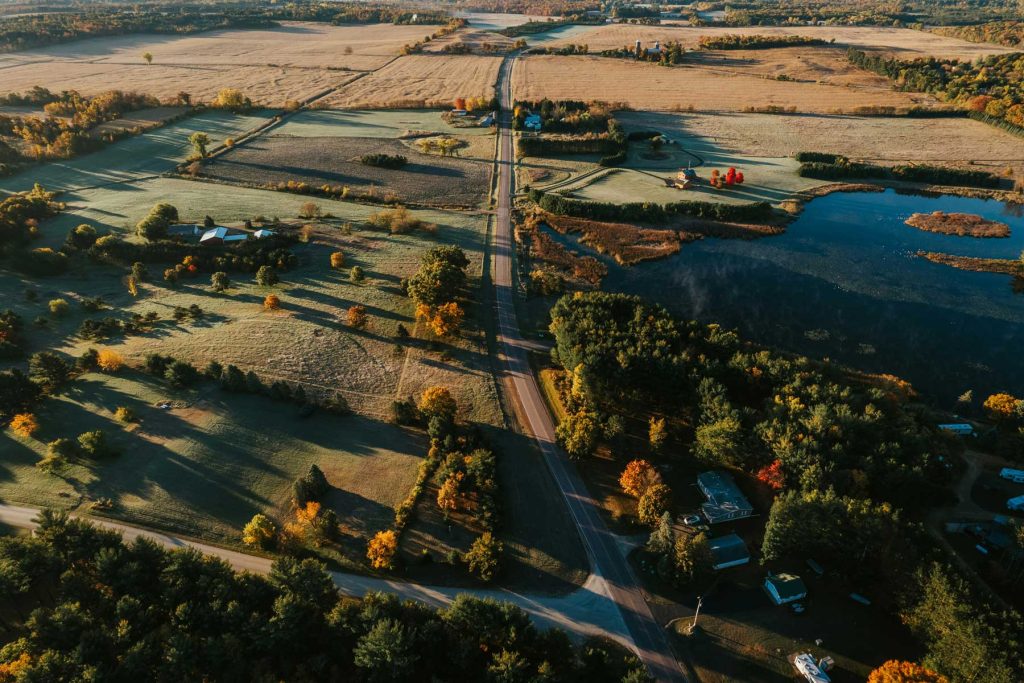
Through FEWscapes, researchers and practitioners explored how to achieve interconnected goals for food systems, biofuel energy, clean water, and healthy ecosystems in the Upper Mississippi River Basin by 2050.
The resulting four scenarios offer different pathways for achieving ambitious goals for the basin. Each scenario consists of a narrative describing one pathway and model results that project that pathway’s future conditions for food, bioenergy, water, and ecosystems based on the changes that occur on the landscape and to the climate.
Step into the four imagined futures below. We invite you to find one idea that inspires you to work toward a future you want.
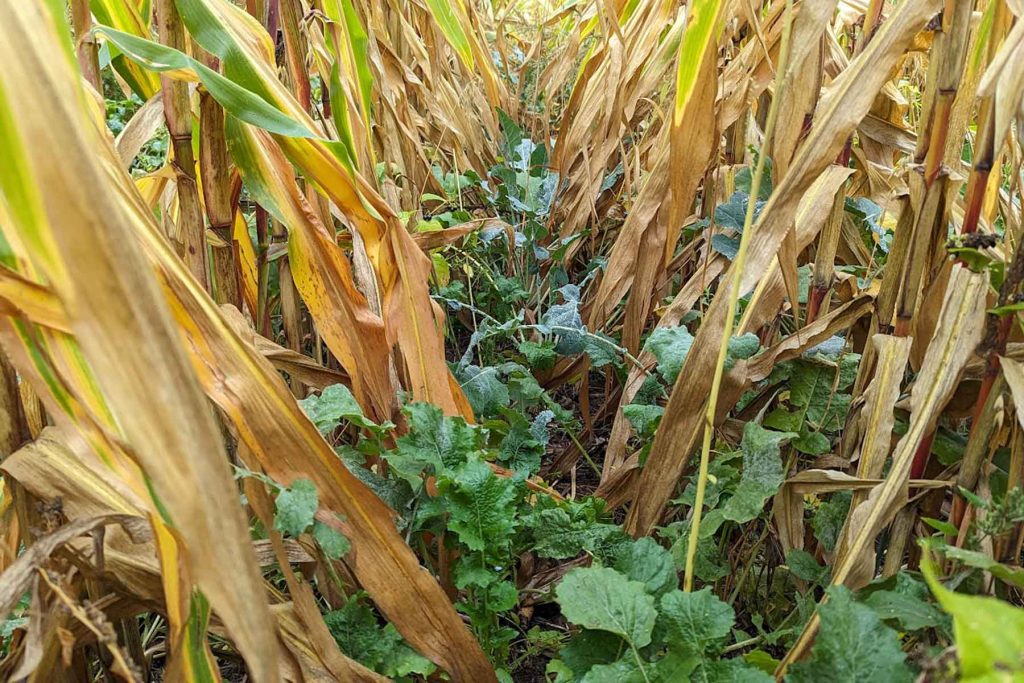
Cropland Conservation
In 2050, almost all agriculture is conservation agriculture.
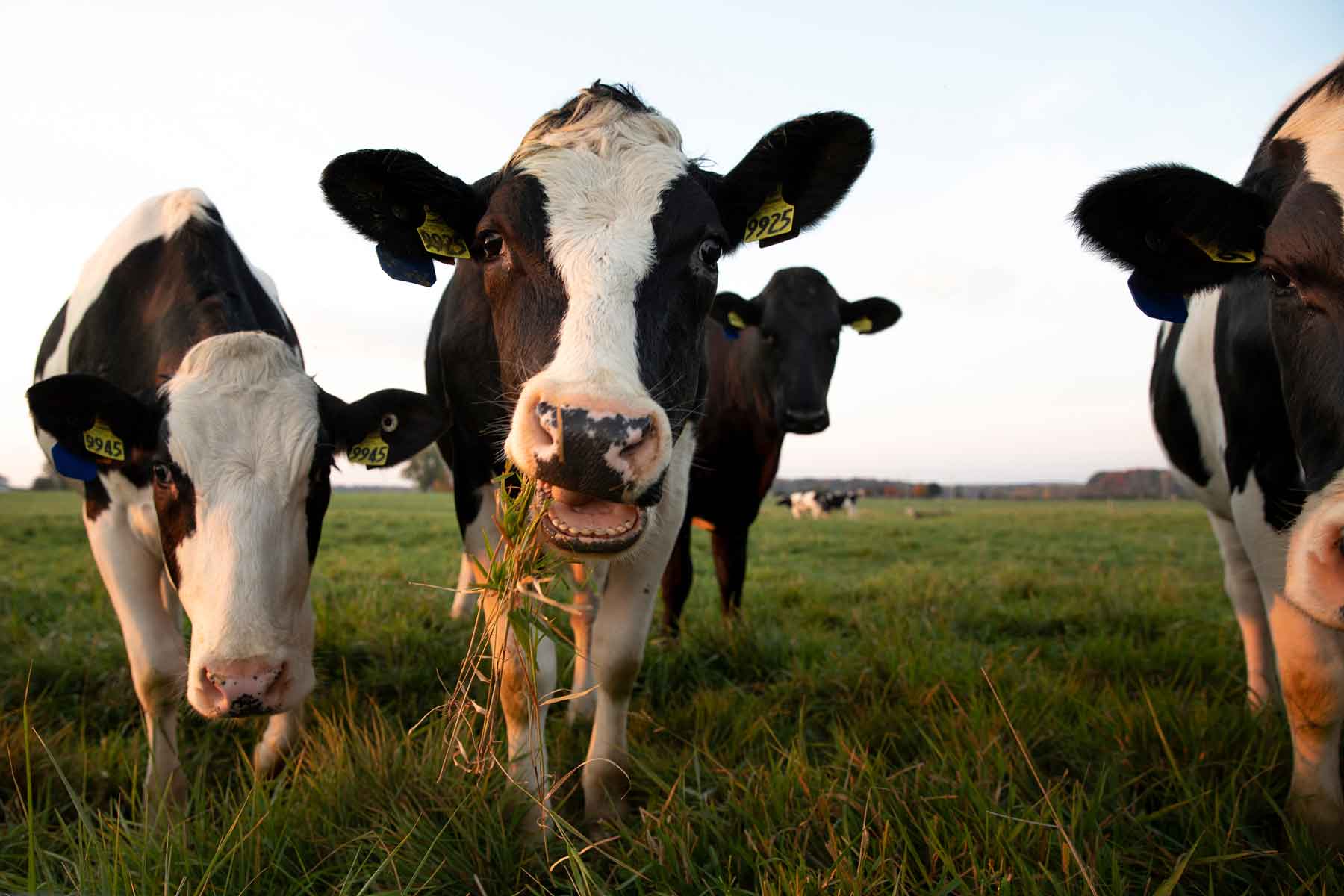
America’s Pasture
In 2050, more than half of all farmland is grazing land.
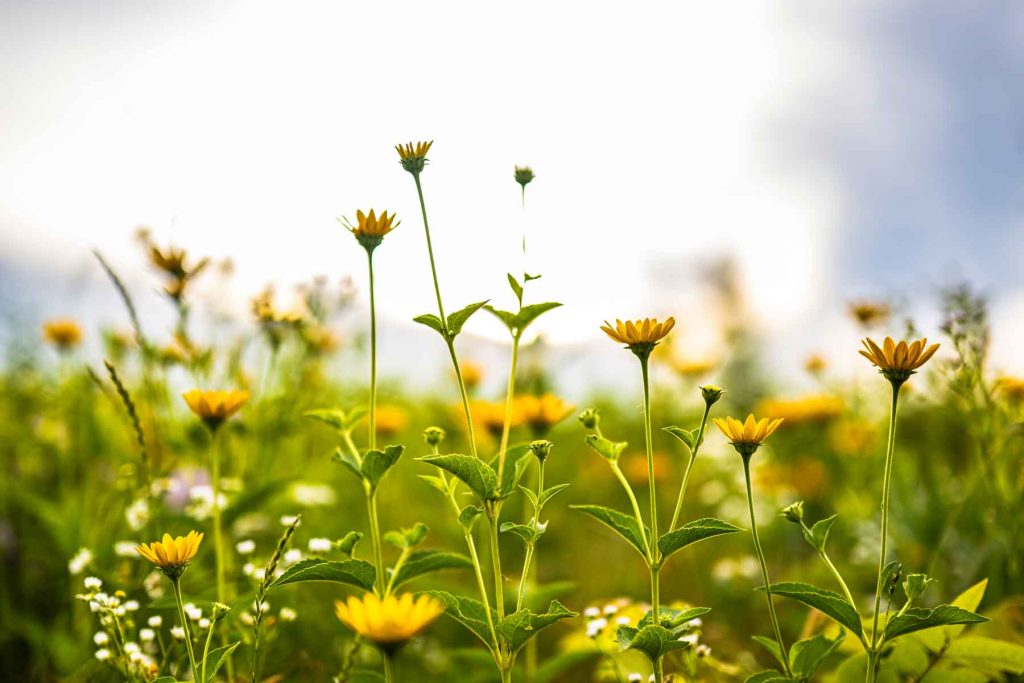
Restoration Agriculture
In 2050, farmers tend not just crops, but also restored forests, wetlands, and prairies.
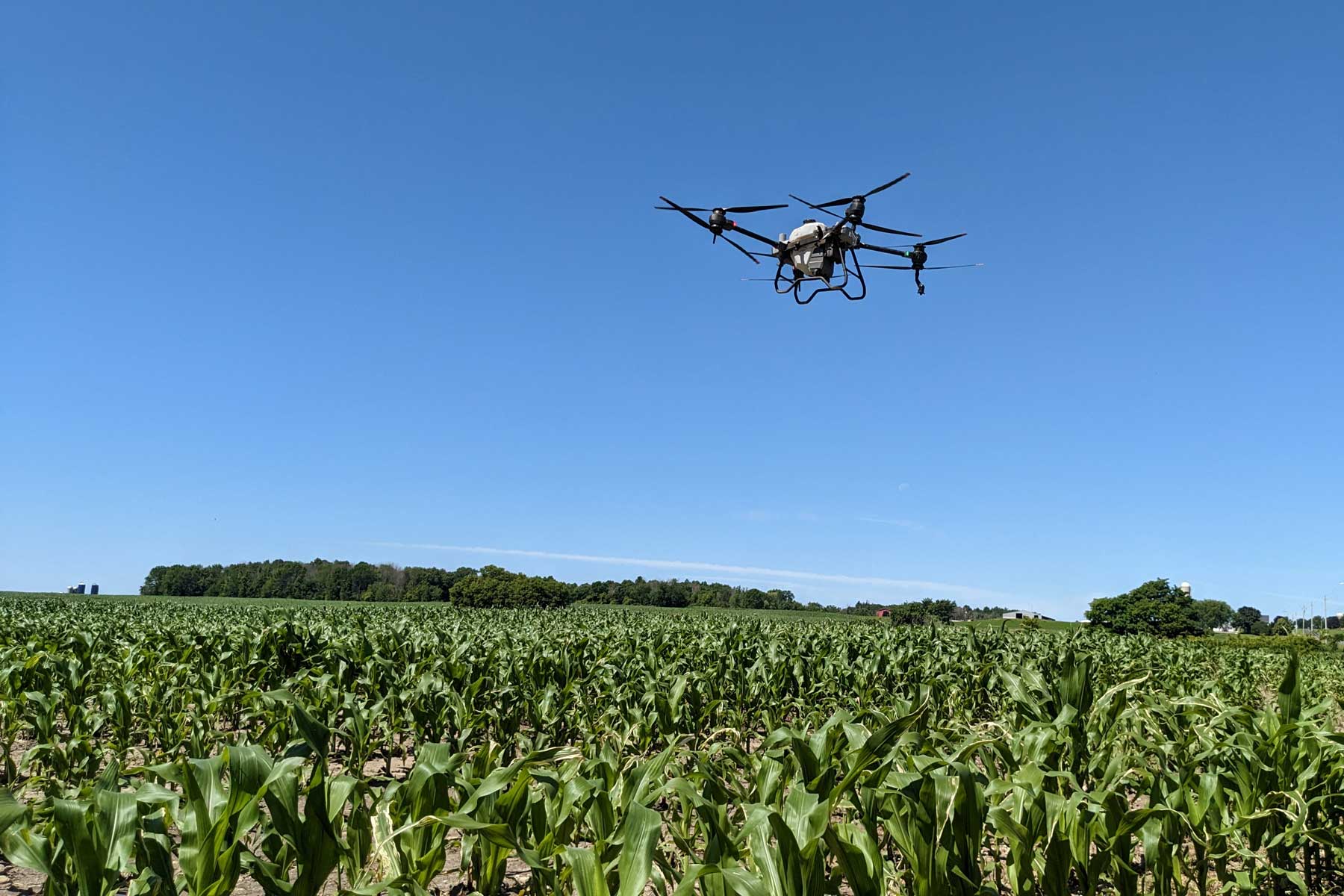
Hotspots for Transformation
In 2050, a mix of conservation agriculture practices, restored ecosystems, and perennial grazing land are strategically placed to maximize environmental benefit.
Model Results
Estimated Future Outcomes for Food, Bioenergy, Water, and Ecosystems
We used agroecosystem models to project how each scenario might impact food, bioenergy, water, and ecosystem goals in the Upper Mississippi River Basin by the year 2050.
Our ultimate question: As the climate changes, are there scenarios that achieve all of these interconnected goals together, or will we need to account for tradeoffs?
Our Process
How We Developed the Scenarios
We combined collaborative learning and agroecosystem modeling to develop the scenarios.